Microlaryngoscopy Instruments: Essential Tools for Precision Surgery
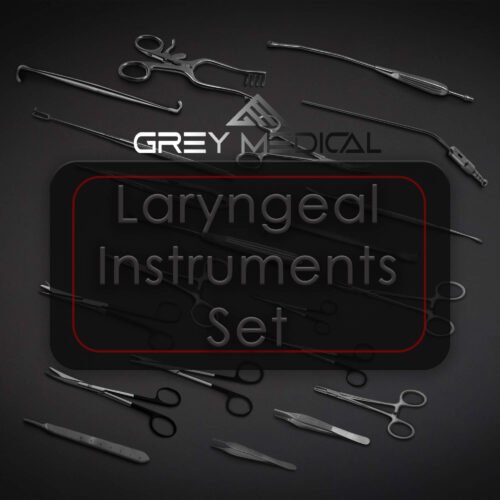
Microlaryngoscopy is a specialized surgical procedure that involves the examination and treatment of the larynx, particularly the vocal cords, under high magnification. The success of this delicate procedure largely depends on the use of microlaryngoscopy instruments, which are meticulously designed to ensure precision, minimal tissue disruption, and optimal outcomes. In this blog, we will explore the key instruments used in microlaryngoscopy, their applications, and their benefits in modern surgical practices.
What Is Microlaryngoscopy?
Microlaryngoscopy is performed using a laryngoscope and a surgical microscope or endoscope. This technique allows surgeons to diagnose and treat conditions such as vocal cord nodules, polyps, cysts, and early-stage laryngeal cancers. The procedure provides a magnified view of the vocal cords, enabling detailed visualization and precise surgical interventions.
Key Microlaryngoscopy Instruments
Microlaryngoscopes
The foundation of microlaryngoscopy is the microlaryngoscope, a specialized hollow tube used to access and visualize the vocal cords. These scopes are designed to maintain a clear airway while providing unobstructed access for surgical instruments.Microlaryngeal Forceps
These instruments are used to grasp, hold, and manipulate tissues during the procedure. Available in various tip designs—such as alligator or cupped tips—microlaryngeal forceps are essential for removing lesions or foreign bodies.Microlaryngeal Scissors
Designed for precision cutting, microlaryngeal scissors feature long, slender shafts and fine, sharp blades. They are used to excise vocal cord nodules, polyps, or other abnormalities with minimal damage to surrounding tissues.Vocal Cord Strippers
Vocal cord strippers are specialized instruments used to remove superficial layers of tissue, such as those affected by polyps or scar tissue. These tools ensure clean and controlled excision.Suction Tubes and Cannulas
Suction instruments are vital for maintaining a clear surgical field by removing blood, mucus, or other debris. Their fine design ensures precision without damaging delicate laryngeal tissues.Laryngeal Knives
Laryngeal knives are used for precise incisions in the vocal cords or surrounding structures. These tools are especially useful in cases requiring delicate tissue removal.Laser Fiber Guides
In modern microlaryngoscopy, laser technology is often integrated. Fiber guides are used to deliver laser energy accurately to the surgical site for precise removal of lesions or tissue.
Applications of Microlaryngoscopy Instruments
Microlaryngoscopy instruments are used to treat a wide range of conditions, including:
Vocal Cord Nodules and Polyps: Removal of benign growths affecting voice quality.
Granulomas and Cysts: Surgical excision of non-cancerous lesions.
Early-Stage Laryngeal Cancer: Precise removal of malignant tissues.
Scar Tissue Management: Improving vocal cord mobility and function.
Foreign Body Removal: Safe extraction of objects lodged in the larynx.
Benefits of Advanced Microlaryngoscopy Instruments
The use of high-quality microlaryngoscopy instruments enhances surgical precision and reduces patient recovery time. Crafted from durable materials like stainless steel or titanium, these tools are lightweight, corrosion-resistant, and compatible with sterilization processes. Their ergonomic designs minimize surgeon fatigue during lengthy procedures, and their fine-tipped features ensure minimal trauma to surrounding tissues.
Conclusion
Microlaryngoscopy instruments are indispensable in the field of otolaryngology. Their advanced designs and specialized functions enable surgeons to perform complex procedures with unmatched precision and efficiency. As technology continues to evolve, these instruments will further enhance the outcomes of microlaryngoscopy, improving patient care and advancing the standards of laryngeal surgery.


